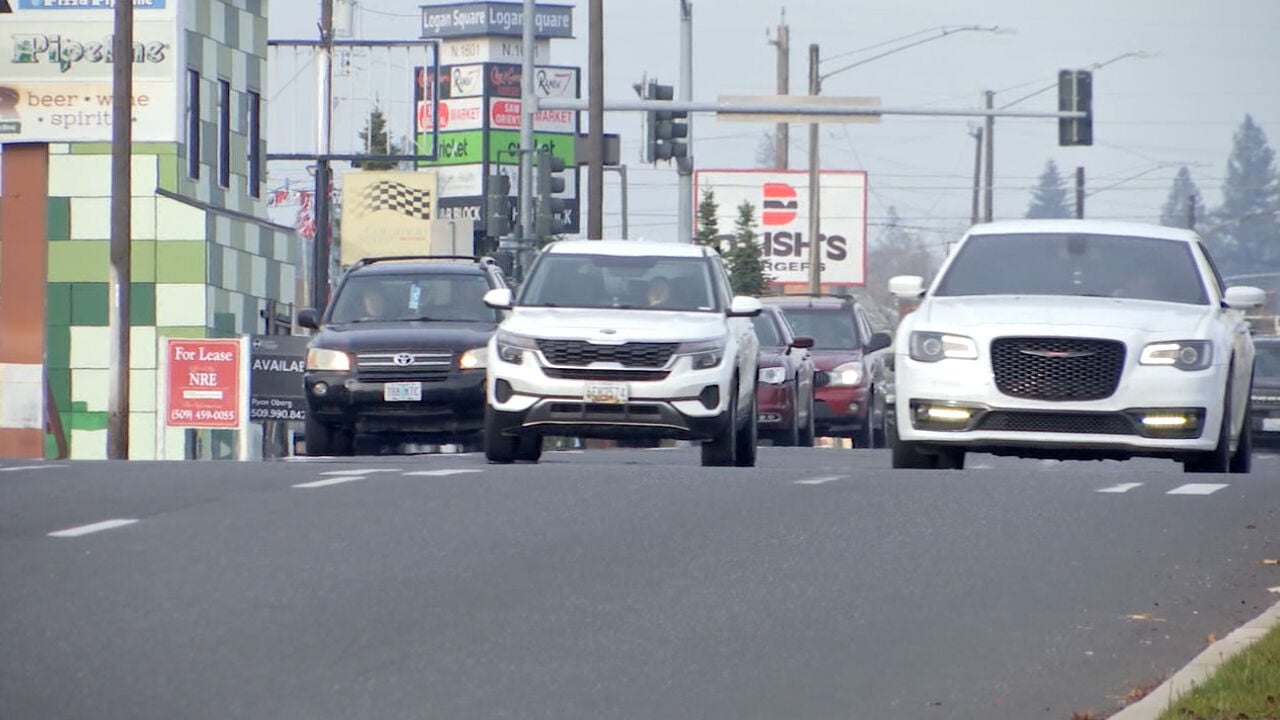
SPOKANE, Wash. — A plan to make significant changes to one of Spokane’s busiest roads took another step forward last night.
The Spokane City Council voted 6-1 to adopt the plan, which includes zoning changes and road reconfigurations on Division Street, though could be years until drivers start seeing it take shape.
“It’s almost like a giant cruise ship. To start making a turn takes quite a while,” principal planner Colin Quinn-Hurst said. “It doesn’t change immediately. It’s kind of a wide arc and it takes a lot of time. So I think that’s a good analogy for Division Street.”
The Division Street Transit-Oriented Development Plan is a partnership between the city, county and Spokane Transit Authority. The city says the overall goal is to encourage people to ride the bus by making walking and biking easier and safer. It’s also meant to revitalize Division once the North-South freeway is finished.
While the plan encompasses a nine-mile-long stretch of the road, the city says it will likely focus on the area between the Spokane River and Mission Avenue first.
Early changes will include wider sidewalks, more trees and added bike lanes. There will also be a bike lane along Ruby Street, walking and biking improvements on Sharp Avenue and crossing improvements on Longfellow Avenue.
Some of those changes will happen in the next six years, although the city says a timeline isn’t set in stone.
STA is also working on a separate — but related — plan to bring more buses to Division. Construction on more stops won’t begin until 2028, and service won’t start until 2031.
“Spokane Transit appreciates the partnership with the City regarding these land use changes as we continue the design of the Division Street Bus Rapid Transit project,” STA said in a statement.
Other changes being considered as part of the plan approved last night include a ban on new drive-thrus within a quarter mile of bus stops and lane reductions in the long term.
The city says each item in the more than 200-page plan will have to be considered and implemented separately.
“This is high-level guidance, like a vision for the next 20 to 30 years on the corridor. It’s a long-term plan,” Quinn-Hurst said. “Now we’re at the stage where we need to actually take the specific actions and changing our development code and making infrastructure investments to make these changes a reality.”
The city says funding for these projects will come from state and federal grants.
COPYRIGHT 2026 BY KXLY. ALL RIGHTS RESERVED. THIS MATERIAL MAY NOT BE PUBLISHED, BROADCAST, REWRITTEN OR REDISTRIBUTED.