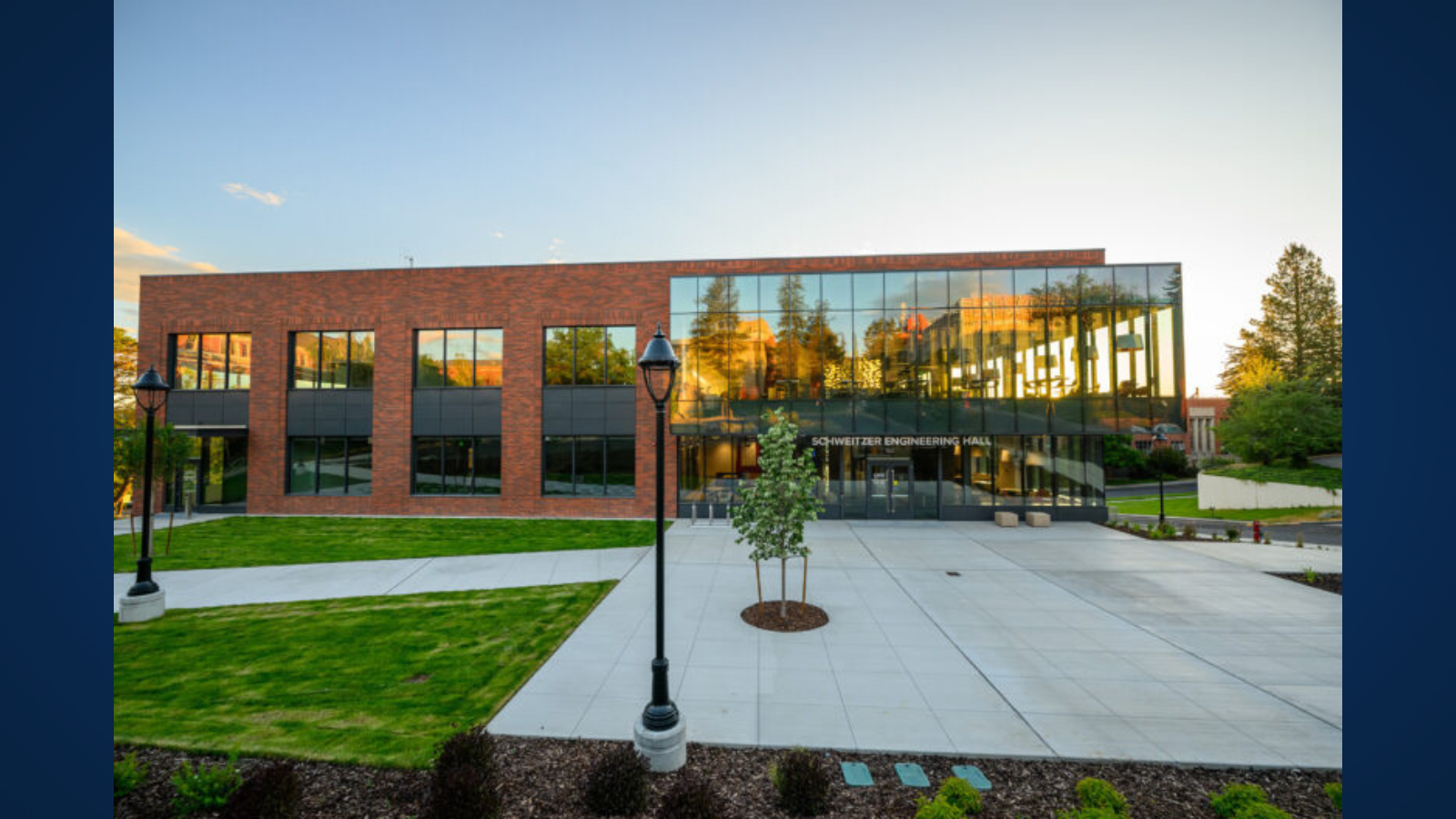
SPOKANE, Wash. — Washington State University and Schweitzer Engineering Lab are tackling wildfire prevention from an entirely new angle through a newly announced partnership.
The collaboration brings together Schweitzer engineers and researchers with a diverse group of WSU students, including those with expertise in weather patterns, geology, and restoration. The partnership aims to combine multiple disciplines and approaches to address one of the region’s most pressing challenges.
The project unfolds in two distinct phases. The first phase focuses on ideation, bringing the team together for comprehensive brainstorming sessions to generate potential solutions. Dave Whitehead, president of Schweitzer Engineering Lab, emphasized the importance of casting a wide net during this stage.
“You know anytime you do something new or really challenging you want to bring in as many ideas as you can and evaluate them,” Whitehead said.
Whitehead noted that wildfire prevention requires diverse expertise and multiple approaches working in concert. He also stressed that the research process involves risk-taking and learning from setbacks.
“You know what? It’s research. Not every idea is going to work but there’s also value in understanding why it didn’t work,” Whitehead said.
In the project’s second phase, the team will transform promising ideas into tangible solutions. Among their planned initiatives is developing technology capable of predicting fires days in advance—a significant leap forward in early warning systems. The team also aims to create new methods for mapping fire behavior, moving beyond the current reliance on heat signals alone.
Chad Kruger, from WSU’s office of research, highlighted the university’s commitment to solving real-world problems through student engagement.
“WSU students tend to be students that really want to solve problems. You know they really want to be engaged in things that really matter in the real world,” Kruger said.
As the project moves forward, the partnership is actively seeking additional local partners to provide resources and funding support. The team plans to hold its first official meeting in January, where they will review research proposals and determine which initiatives to fund.
The partnership represents a collaborative approach to addressing wildfire prevention at a critical time for the region, combining academic research with industry expertise to develop solutions that could protect communities from future disasters.
COPYRIGHT 2026 BY KXLY. ALL RIGHTS RESERVED. THIS MATERIAL MAY NOT BE PUBLISHED, BROADCAST, REWRITTEN OR REDISTRIBUTED.