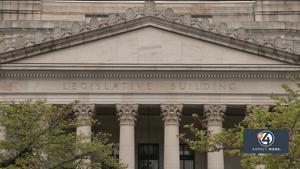
OLYMPIA, Wash. – The 2025 legislative session adjourned Sunday night, capping 105 days of work on issues like housing, health care and most important of all – the state budget.
Before lawmakers left town, they spent their final day settling a few outstanding issues – including the hotly-debated legislation capping annual rent increases to the lesser of 10% or 7% plus inflation.
“This is a bill that still allows landlords to set their rents, still allows them to make a profit and also stabilizes renters where they are,” said Senate Housing Committee Chair Jessica Bateman, D-Olympia during final debate of the bill.
“We need more supply so people’s rents could be lowered,” said House Housing Ranking Member Sam Low, R-Lake Stevens, during debate in the lower chamber. “This policy that has come from the committee report is really gonna guarantee a rent increase of about 10% each year for those who can least afford rent increases.”
The bill passed each chamber with solely Democratic support, though some Democrats joined Republicans in opposition.
In addition to the capital construction and transportation budgets, the latter of which relies on a 6-cent increase in the gas tax and other increased fees, lawmakers passed their $77.9 billion operating budget for the next two years.
The budget was balanced over four years through spending cuts and increases to business, sales and capital gains taxes raising about $8.7 billion. Democrats who pushed the budget say they just could not cut their way out of a $16 billion shortfall over the next four years, while Republicans argued everyday people will ultimately be paying the price.
“An all cuts budget would be irresponsible, I believe. It would’ve caused deeper, longer-lasting harm for our communities and people we represent here,” said Senate Ways and Means Committee Chair June Robinson, D-Everett.
“That’s why we paired reductions, and there are a lot of reductions in this budget, with new revenue streams so we could protect the essential services that people depend on and work towards a solid future,” she added.
“When we started this session, all I heard about was making the wealthy pay their fair share,” said Rep. April Connors, R-Kennewick. “This budget spreads taxes across all working Washington residents in a manner that is going to make this state more, and more and more unaffordable to live in.”
Like the rent increase bill, the budget was solely supported by Democrats with some joining Republicans in opposition.
House Majority Leader Joe Fitzgibbon, D-West Seattle, said this session was “uniquely challenging” because of the state’s budget deficit, uncertainty with federal funding, working with a new governor, and the deaths of state leaders like Sen. Bill Ramos.
Senate Minority Leader John Braun, R-Centralia, agreed this was a very challenging session. He said the top reason being Democrats going the wrong direction in closing the deficit, giving him concern about the economy.
“We should have fixed this thing by restraint on our spending – and I know that means very hard decisions, I get that,” he said, “But the idea that we can fix this by putting more burden on an economy that’s already kind of plateaued is wrongheaded.”
In a statement Sunday evening, Gov. Bob Ferguson thanked legislators for their work on investments in K-12 education, police hiring grants and other priorities. Though he said he will be “carefully reviewing” the budget and its revenue increases over the next few weeks.
As for the rent increase caps, the governor would not offer his position when pressed by reporters last Friday.
Albert James is a television reporter covering state government as part of the Murrow News Fellowship program – a collaborative effort between news outlets statewide and Washington State University.
COPYRIGHT 2025 BY KXLY. ALL RIGHTS RESERVED. THIS MATERIAL MAY NOT BE PUBLISHED, BROADCAST, REWRITTEN OR REDISTRIBUTED.
