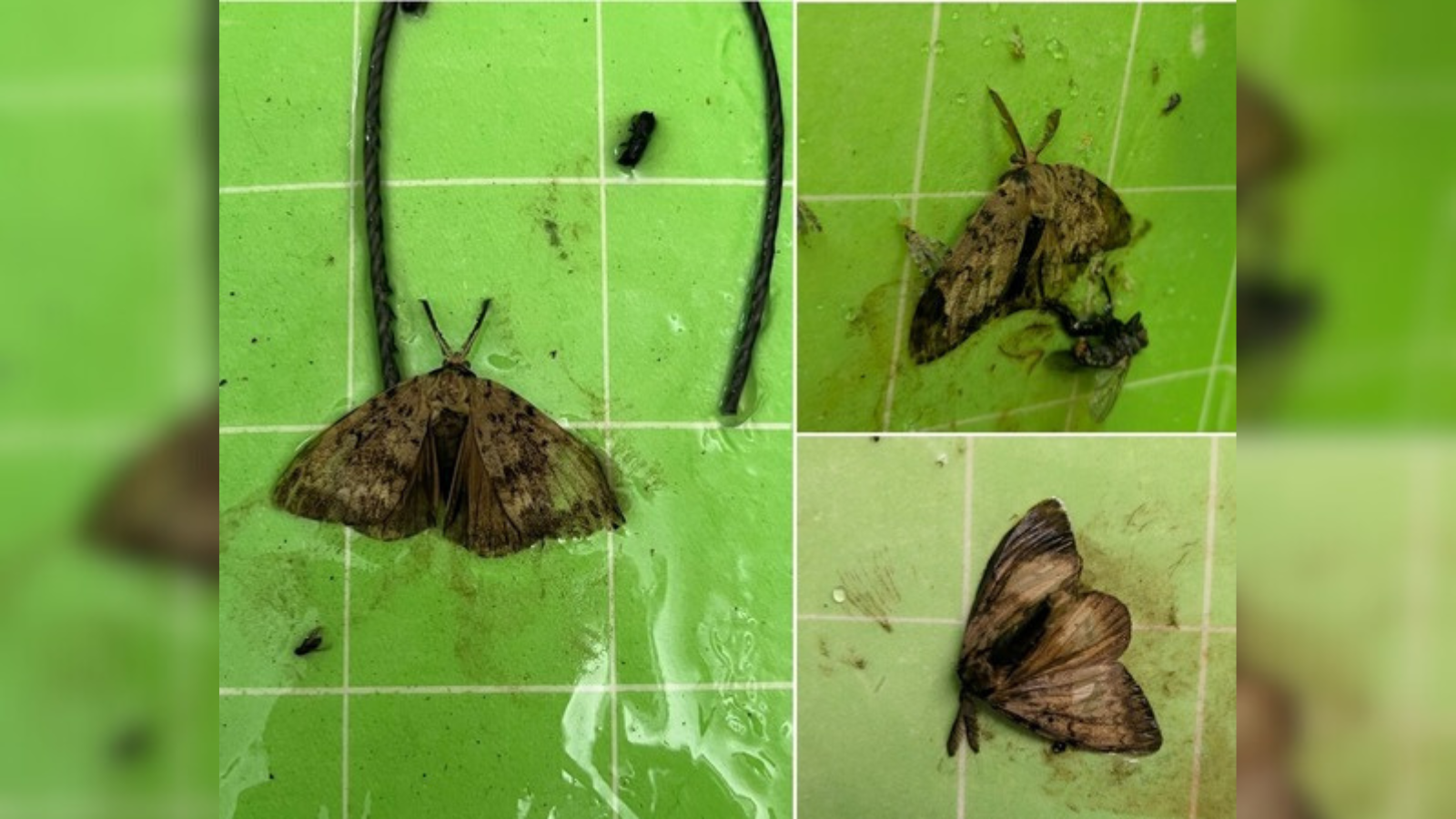
SANDPOINT, Idaho — The Idaho Department of Lands says the invasive spongy moth has been detected in Sandpoint for the second year in a row.
Last year, one male European spongy moth was detected in Sandpoint near Oak Street and Division Avenue. So far this year, three more moths have been captured in two delimitation traps.
Spongy moth caterpillars feed on a broad range of trees. The European spongy moth causes millions of dollars of damage in the eastern United States during outbreaks.
IDL says when the three European spongy moths were captured, the relevant authorities were notified immediately. The response planning was delayed, however, due to the federal government shutdown.
“Over the years, more than 20 similar initial spongy moth detections have occurred throughout many Idaho communities, additional moths have not been caught in any follow-up delimitation trapping since 1994,” said Erika Eidson, IDL Forest Health Specialist. “Often times, initial detections represent a one-off hitchhiker or two, but the subsequent captures in Sandpoint raise questions about a reproducing spongy moth population.”
Spongy moths were previously eradicated from Sandpoint and Coeur d’Alene between 1986 and 1991. At the peak of the infestation in 1988, more than 300 moths were trapped in Sandpoint.
2024 was the first time since 1991 that the moths were detected in the city.
IDL says it will continue intensive trapping in 2026 to determine whether Sandpoint is threatened by a reproducing moth population. While no evidence of egg masses or visible feeding were seen in the 2025 ground surveys, IDK says low populations can be very difficult to detect.
To prevent the spread of spongy moth and other invasive insects, IDL recommends avoiding moving firewood long distances, checking outdoor objects for signs of insects before relocating them and reporting any suspicious sightings or tree damage to the Idaho Department of Lands.
COPYRIGHT 2025 BY KXLY. ALL RIGHTS RESERVED. THIS MATERIAL MAY NOT BE PUBLISHED, BROADCAST, REWRITTEN OR REDISTRIBUTED.