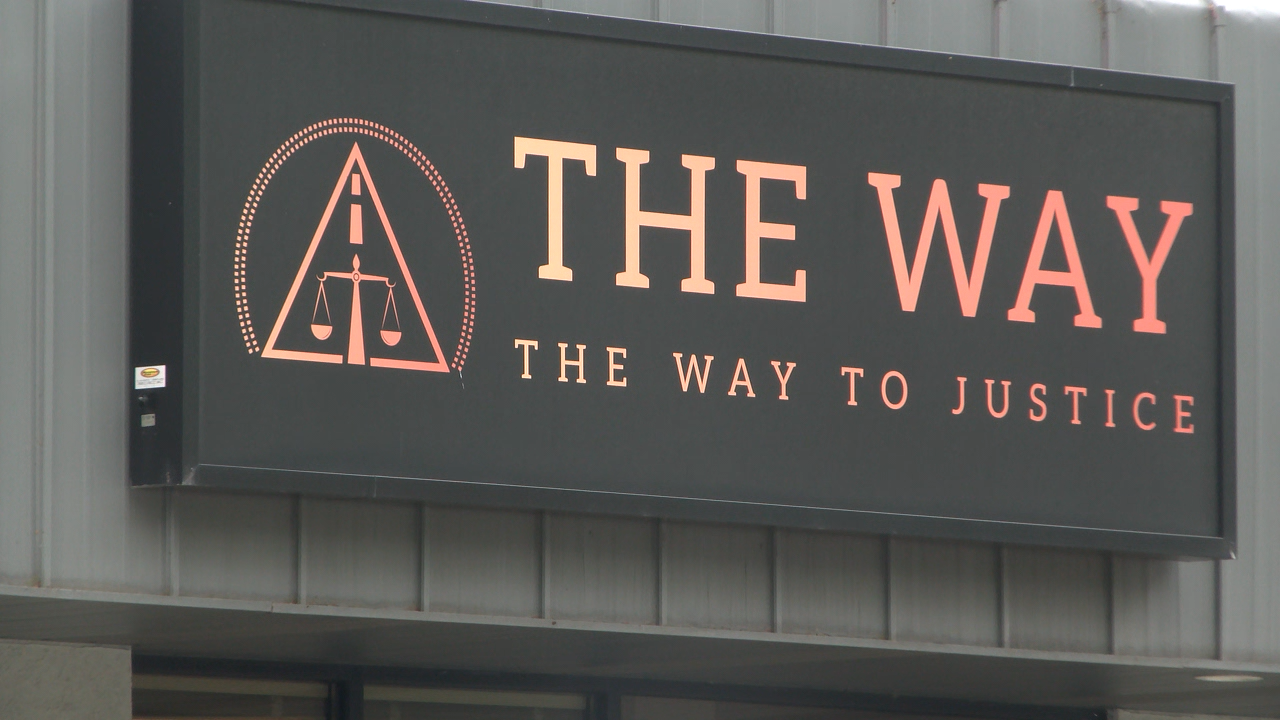
SPOKANE, Wash. — Funding for legal aid services that help Washingtonians clear certain drug convictions from their records is on the chopping block in the proposed state budget.
In 2021, the Washington Supreme Court released the “Blake Decision,” a ruling that declared the state’s simple drug possession law unconstitutional and allowed for the expungement of related convictions dating back to 1971.
The complex process of clearing these records often requires legal assistance, the funding for which is expected to end under the Washington legislature’s recently proposed budget.
“It was a surprise. It was a shock to nearly anybody that’s doing the work, both in civil legal aid, specifically and broadly, and the Blake work,” said Camerina Zorrozua, Co-Founder and Legal Director of The Way to Justice, a Spokane legal aid non-profit organization.
“Blake work” refers to efforts helping individuals navigate the expungement process for simple drug possession convictions affected by the 2021 ruling.
“We’re maybe halfway done with the work. So, it was never anticipated going into the session that it would be taken out of the budget entirely,” Zorrozua said.
According to Josiah Lara, an attorney at The Way to Justice, the process is particularly challenging for individuals to handle on their own.
“Yeah, they can do it on their own, but all 39 counties have a different court system. And so, we don’t have this nice unified system where you can do it the same,” Lara said.
He said, not only is it technically difficult, but it can also be an emotionally taxing process.
“Most of my clients wouldn’t even know where to start. It’s traumatic going back into the courthouse that has wrongly convicted you of this conviction [and have] to go back into that traumatic space,” Lara said.
The Way to Justice has been using state funds to provide free legal assistance for Blake-related expungements. These services are now at risk as the organization across the state waits to see if Governor Bob Ferguson will approve the legislature’s proposed budget cuts.
“If we’re unable to deliver these essential services, [it will] impact our communities that are most vulnerable. We’re really worried about what that will look like,” Zorrozua said.
For now, The Way to Justice says they will continue providing civil legal aid, but once current funding runs out, they will need to find alternative ways to finance this public resource.
“If you stop funding halfway through this project, we’re not going to achieve what the Blake decision promised,” Zorrozua said.
COPYRIGHT 2025 BY KXLY. ALL RIGHTS RESERVED. THIS MATERIAL MAY NOT BE PUBLISHED, BROADCAST, REWRITTEN OR REDISTRIBUTED.
