SPOKANE, Wash. — Spokane County Medical Examiner Dr. Veena Singh has a front-row seat to a growing public health crisis that claims approximately one life per day in the Spokane area: fentanyl overdoses.
Behind the cold, sterile hallways and autopsy tables of the Medical Examiner’s Office, Singh brings a warm demeanor and investigative mindset to her critical work documenting the devastating impact of fentanyl on the community.
“I think it’s so fascinating because it’s not really for the benefit of the deceased person, but the public health side of me is just fascinated by everything that can be gleaned by an individual deceased person and then looking at patterns of what is killing people or what are people dying of in a community,” Singh said.
What Singh is finding in those patterns is deeply troubling. Fentanyl overdose deaths have increased more than 300% in the last five years in Spokane County. This statistic only accounts for direct overdose deaths, not including drownings, car crashes, or other incidents where drugs were contributing factors.
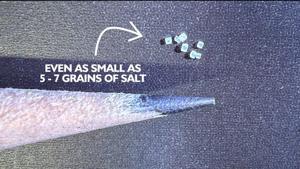
According to the Drug Enforcement Administration, fentanyl is 50 times more powerful than heroin and approximately 100 times more potent than morphine. The synthetic opioid’s extreme potency means even a minuscule amount can be fatal.
“Fentanyl particularly is very potent,” Singh explained. “All of these effects can happen so suddenly. People just drop where they are and die.”
The Medical Examiner’s data reveals that drug-related deaths in Spokane County now occur at approximately five times the rate of motor vehicle fatalities and four times the rate of gunshot wound deaths.
Contrary to common perception, these overdoses aren’t primarily occurring among homeless populations or in downtown areas. The majority of fatal overdoses happen in homes and apartments, affecting people across all age groups.
“We’ve had infants and toddlers, all the way up to, I think 77 or 78 is our oldest person,” Singh said, highlighting the wide demographic reach of the crisis.
The danger is compounded by the unpredictable nature of street drugs containing fentanyl. Singh rarely encounters cases where fentanyl is the only substance present. Instead, it’s typically mixed with various other drugs and fillers.
“It might have fentanyl and cocaine and maybe some caffeine and also some talcum powder and then some other stuff like novel benzodiazepine or some other drugs that never were on the market,” Singh said. “But now they’re just being manufactured and kind of put in to enhance these products or dilute the products or whatever the mixers are trying to do with them.”
While Narcan (naloxone) has been effective in reviving many overdose victims, Singh cautions that it’s merely a “band aid” solution that may give users a false sense of security. The potency of fentanyl can overwhelm even this life-saving intervention.
The traditional messaging around drug use has also become outdated in the face of fentanyl’s lethality. “We used to probably tell people like, ‘Oh, don’t use drugs because you might get hooked on them,’ but I don’t think we have that leeway anymore because even the first dose can be the one that is lethal,” Singh warned.
Singh believes addressing the mental health issues that often underlie addiction is crucial to combating the crisis. In a promising development, Spokane city and county officials are collaborating to invest opioid settlement funds in expanded behavioral health services and treatment programs.
The Spokane Regional Health District offers an Opioid Treatment Program for those seeking help with addiction. More information is available on its website.
As Dr. Singh continues her vital work documenting the toll of this crisis, her findings serve as both a warning and a call to action for the Spokane community to address the deadly impact of fentanyl before more lives are lost.
COPYRIGHT 2025 BY KXLY. ALL RIGHTS RESERVED. THIS MATERIAL MAY NOT BE PUBLISHED, BROADCAST, REWRITTEN OR REDISTRIBUTED.
