SPOKANE, Wash. — Downtown Spokane businesses that sell alcohol to-go could soon face mandatory restrictions on when they can sell certain items, as the state prepares to decide whether a six-month trial program should become permanent.
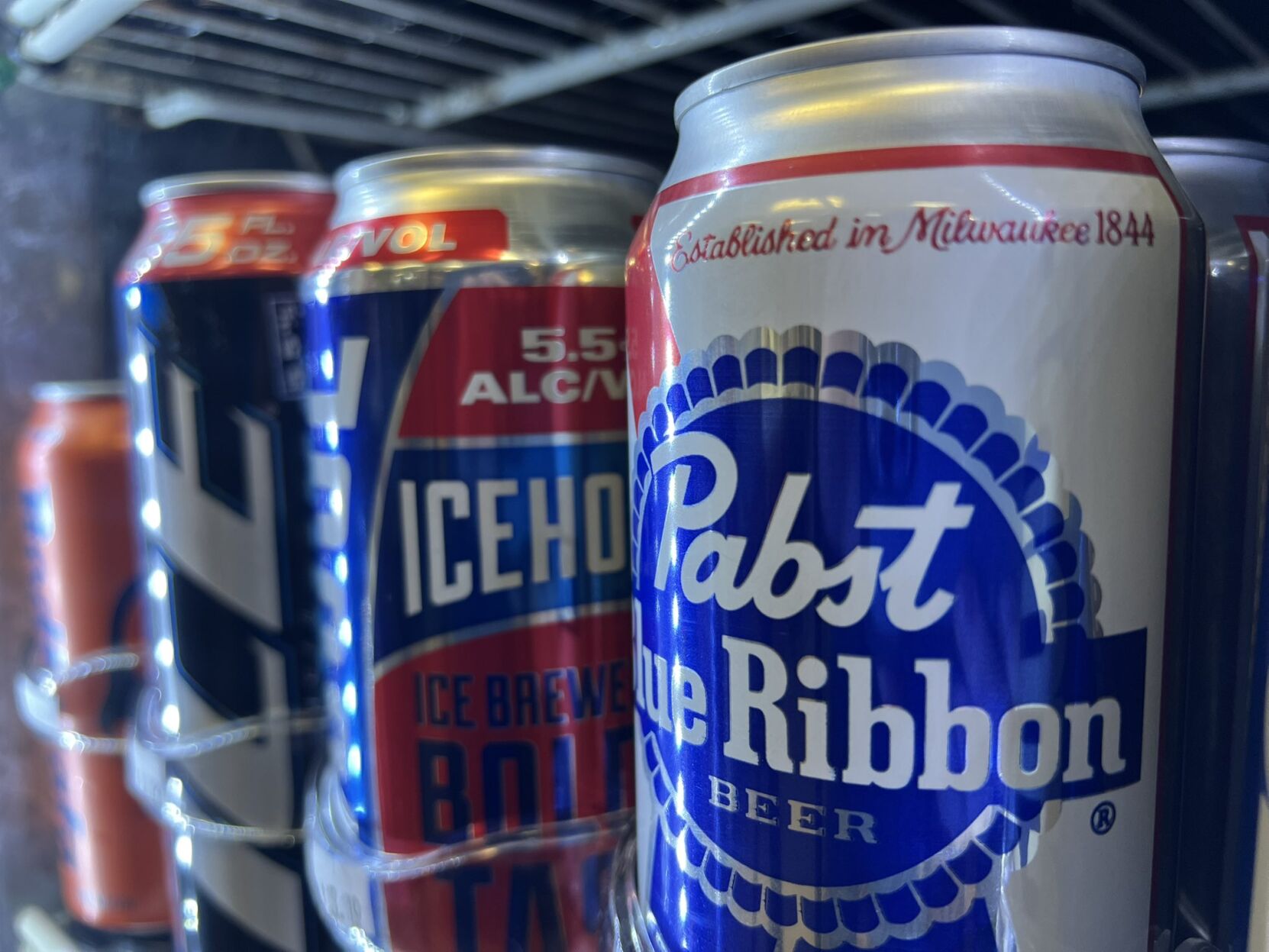
The city has been experimenting with an Alcohol Impact Area (AIA) that bans late-night sales of single-serve alcohol products like tall boys and shooters. The trial was implemented to address concerns about open drug use and public drinking in downtown Spokane.
“This was a step that we could take, to hold back on that supply and stop making it such an incentive for folks,” said Erin Hut, a city official.
Currently, the restrictions remain voluntary because only the state can officially approve an AIA. The city is using this testing period to gather data and feedback from affected businesses.
“During this time, we are conducting inspections. We’re gathering information. We’re talking to those business owners,” Hut said.
The Washington State Liquor and Cannabis Board will review the city’s findings and could make the rules mandatory, possibly as early as this month. City officials are optimistic about the program’s future.
“We think we’re moving in the right direction. We definitely hope that this will be something that becomes permanent,” Hut said.
Spokane has implemented alcohol impact areas in the past. According to the Downtown Spokane Partnership, conditions deteriorated when previous rules were lifted, making the current trial particularly significant.
The Downtown Spokane Partnership has observed notable improvements since the voluntary restrictions began, even without mandatory enforcement.
“We really noticed a remarkable difference in how people are behaving in public when those beverages are removed from stores downtown, as well as just the amount of debris that we experience,” said Rae-Lynn Barden with the Downtown Spokane Partnership.
While the city has not yet released concrete data on the alcohol impact area’s effectiveness, officials report that participating businesses have seen positive results from the voluntary compliance.
“They’ve seen fewer people come in to seek those. That’s hopefully the intent is that if we can take away those things that are an incentive, we can hopefully connect those people to the right services and get them on the right path,” Hut said.
The timing of the state’s decision remains uncertain, but Hut said she hopes to present their findings to them soon.
COPYRIGHT 2025 BY KXLY. ALL RIGHTS RESERVED. THIS MATERIAL MAY NOT BE PUBLISHED, BROADCAST, REWRITTEN OR REDISTRIBUTED.
